Natural, renewable, long-lasting: sheep wool has a reputation for being a particularly eco-friendly fibre. But is that true? As with almost every material, it pays to take a closer look. Sustainability has many sides – from the raw material and how it is processed to the question of how long a product is actually used. In this article we take an honest look at the advantages, but also at the challenges.
A raw material that grows back every year
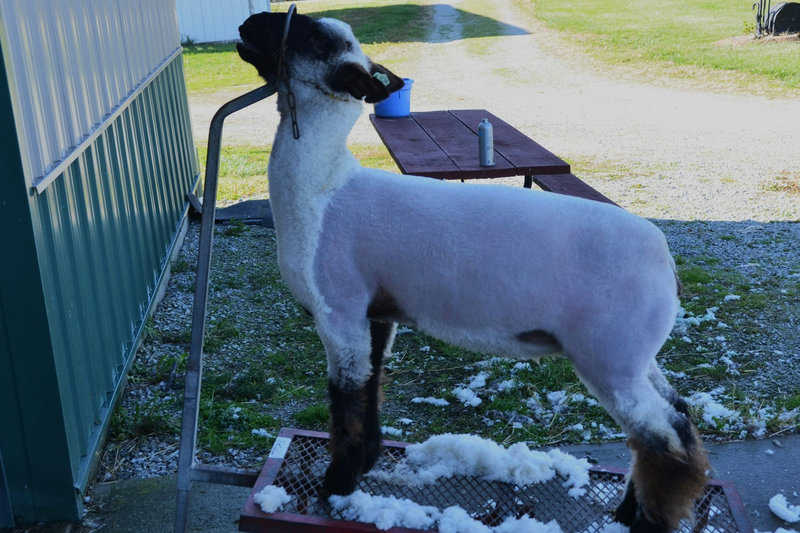
The biggest plus point is obvious: sheep wool grows back by itself. The animals are usually shorn once a year, and the fleece starts growing again straight away. Unlike synthetic fibres such as polyester or acrylic, no crude oil is needed to make the fibre itself. The wool is made from what the sheep eats – grass, herbs and hay.
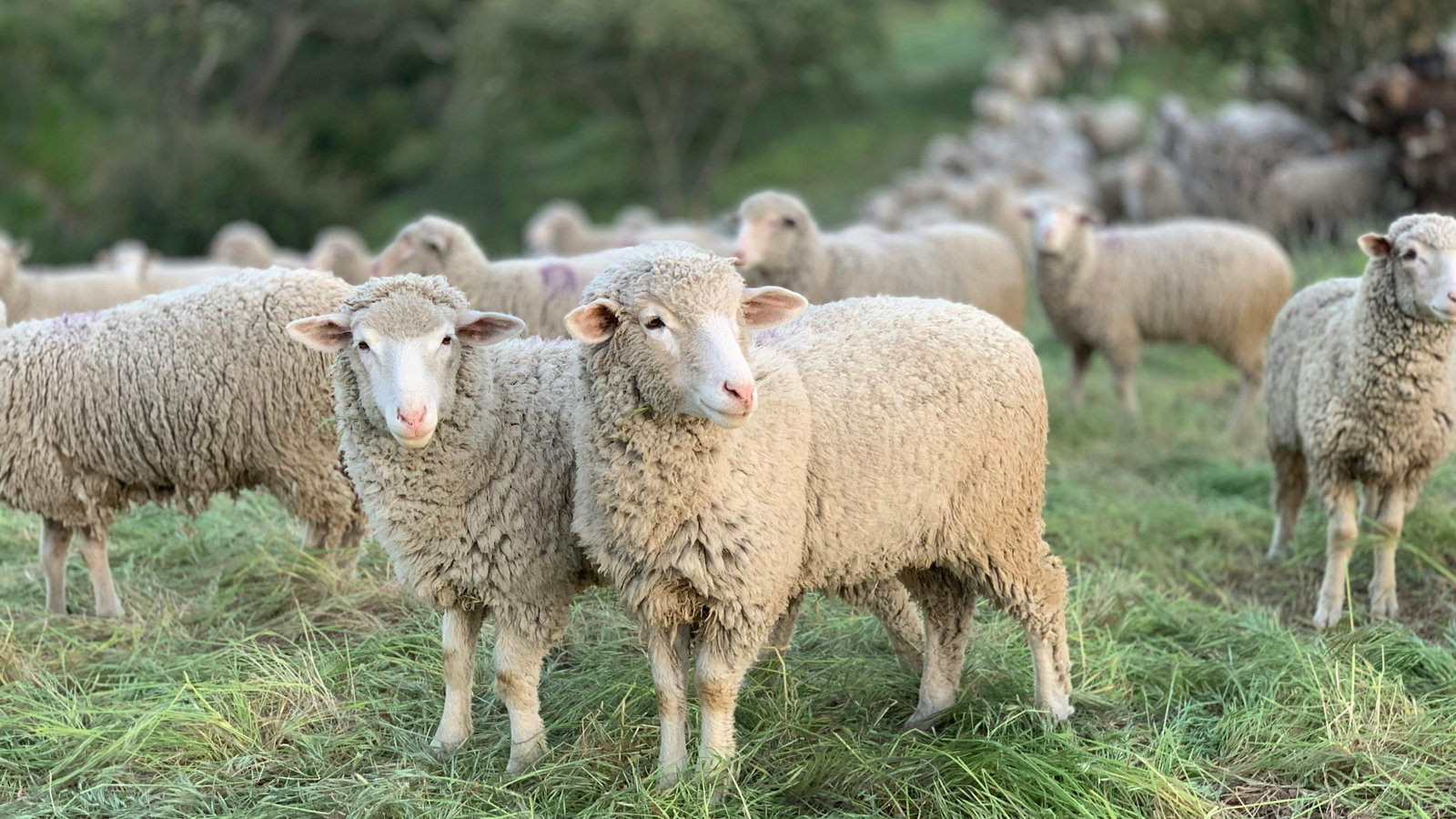
What's more, in many places sheep are used for landscape management. They keep dykes, heathland and mountain slopes open and so help to preserve species-rich cultural landscapes. They can graze on land that is barely suitable for growing crops.
Biodegradable instead of microplastics
One issue that is becoming ever more important is microplastics. Clothing made from synthetic fibres sheds tiny plastic particles in the wash, which can end up in rivers and seas via wastewater. Wool, on the other hand, is a protein fibre made mainly of keratin – the same protein our hair is made of.
Pure wool is biodegradable. If it ends up in the soil, it is broken down by micro-organisms and returns nutrients such as nitrogen. The word “pure” matters here, though: blends of wool and synthetic fibres partly lose this advantage.
Durability: the underrated environmental factor
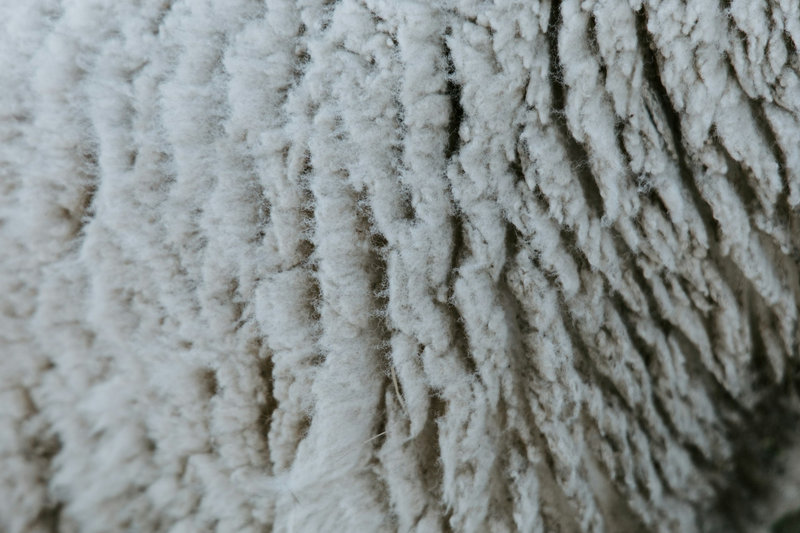
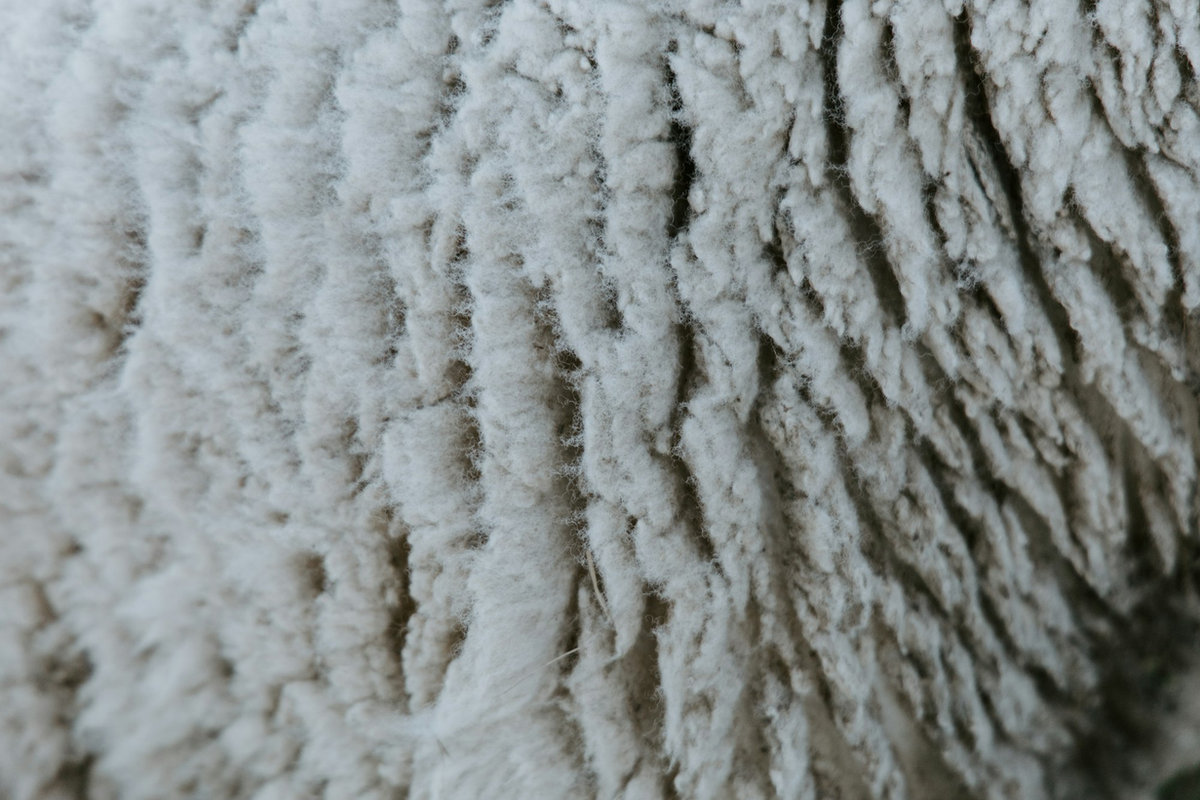
The most sustainable garment is one that is worn for a long time. This is where sheep wool plays to one of its greatest strengths. The naturally crimped fibres are elastic and can bend many, many times without breaking. That is why good wool products keep their shape for so long.
There is a practical advantage, too: wool picks up odours less quickly than many synthetic fibres. Often it is enough simply to air a jumper or jacket outdoors. Fewer washes mean less water, less energy and less wear and tear. Socks will of course still need washing regularly – but here too, gently washed wool socks last much longer than many cheap alternatives.
The challenges: climate, water and land
Being honest also means looking at the downsides. Sheep are ruminants and emit methane, a greenhouse gas, during digestion. How large wool's overall climate footprint is depends heavily on how it is calculated – for example, whether meat, milk and landscape management are included and how long the finished product is used. Studies come to different conclusions here.
There are differences in processing, too: washing raw wool takes water and energy, and dyeing depends on the agents used and good wastewater treatment. Modern mills work with closed water cycles and recover the wool grease.
Animal welfare matters
Sustainable wool is always a question of animal welfare as well. Sheep should be kept in a way that suits their nature, with enough space and good feed, and they should be shorn professionally. A well-known point of criticism is so-called mulesing, which has been – and still is – practised mainly on merino sheep in Australia. It involves removing strips of skin from the rear of the animal to prevent flystrike.
That is why many manufacturers and retailers rely on mulesing-free wool. Labels such as the Responsible Wool Standard (RWS) or the Global Organic Textile Standard (GOTS) help you find your way, because they set requirements for animal husbandry, the environment and processing.
A second life for old wool
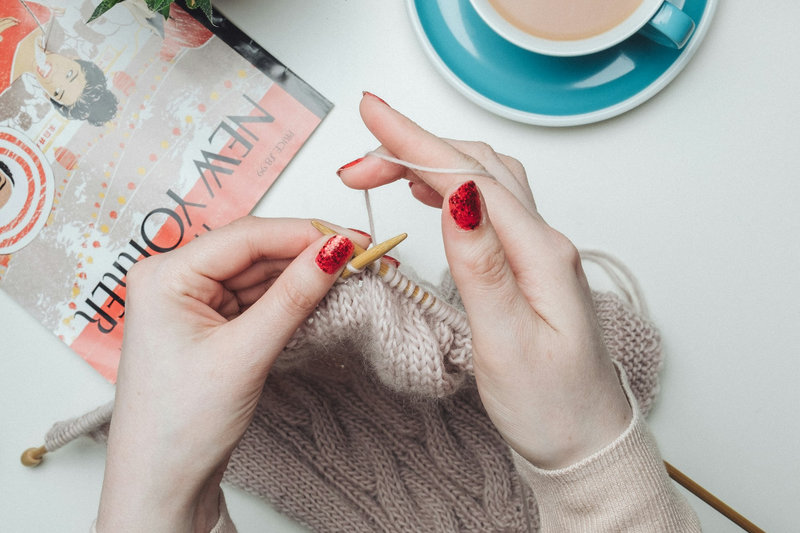
Even at the end of its life, wool is still valuable. Old wool jumpers can be unravelled and knitted into something new, and industry has been recycling used wool for a long time: the fibres are broken down and spun into new yarn. Even wool scraps that can no longer be spun are put to use – as insulation, for example, or as natural fertiliser in the garden. The cycle comes full circle in a completely natural way.
What to look out for when buying
- High wool content: the higher the share of genuine wool, the more likely it is that advantages such as breathability and biodegradability are retained.
- Quality over quantity: better one good pair that lasts for years than several that quickly wear through.
- Transparency: reputable sellers provide information about material and origin.
- Care: air them instead of washing constantly, wash gently with wool detergent and let them dry naturally.
Our conclusion
So is sheep wool really eco-friendly? The honest answer: it has a great many advantages, but how sustainable it ultimately is depends on husbandry, processing and use. As a renewable, biodegradable and extremely durable natural fibre, it beats many synthetic fibres on important points.
The biggest lever is in our own hands: buying high-quality wool products, looking after them well and wearing them for a long time. A pair of wool socks that stays with you for many years is a small but lovely step towards more conscious clothing.