When you slip into a pair of warm wool socks in the morning, you probably don't think about the journey the fibres have made. Yet the path from sheep to finished garment is surprisingly fascinating – and it shows how much care goes into a seemingly simple wool product. Come with us from the pasture all the way to your wardrobe.
1. Shearing: wool that keeps growing back
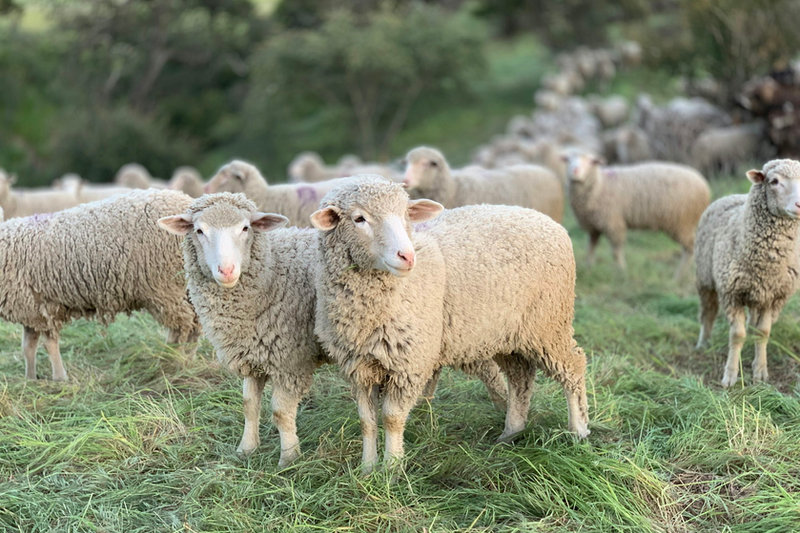
It all starts on the pasture. Most wool sheep are shorn once a year, usually in late spring before the weather turns really warm. For the animals this is not only a relief but also important for their health: many modern breeds do not shed their fleece on their own. Without shearing, the wool would keep growing, become matted and weigh heavily on the sheep in summer.
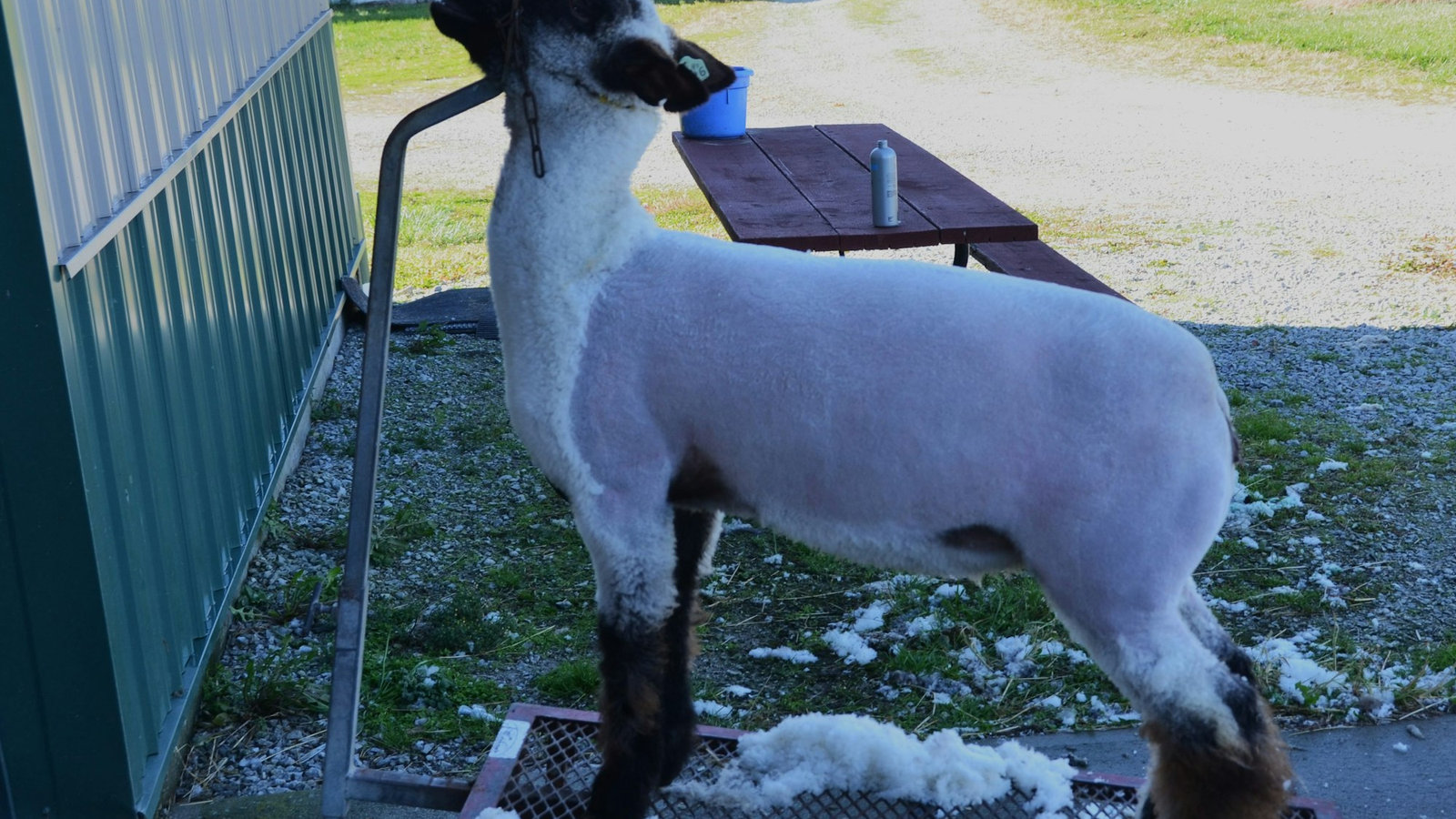
An experienced shearer often needs only a few minutes per sheep. The fleece is removed in one piece wherever possible – like a thick, fluffy coat. Depending on the breed, a sheep produces roughly two to five kilograms of raw wool a year, and some breeds considerably more. The best part: the wool grows back all by itself. That makes sheep wool a truly renewable raw material.
2. Sorting: not all wool is the same
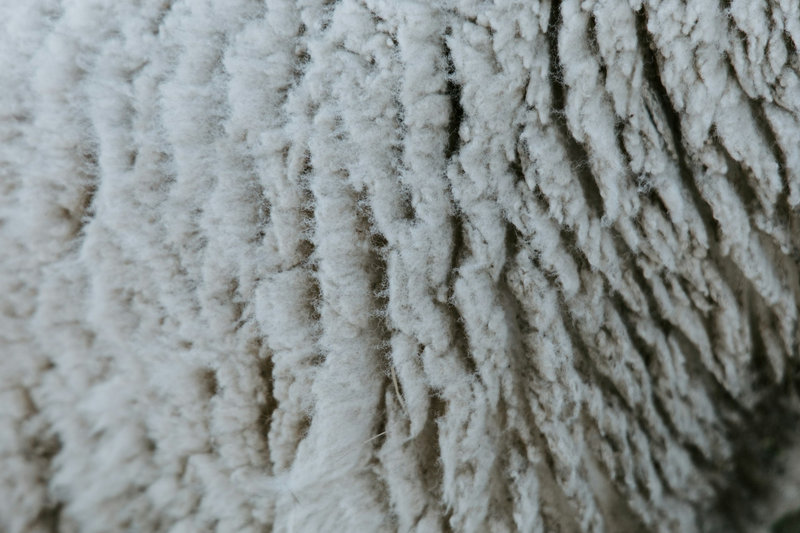
Straight after shearing, the fleece is spread out and sorted. Wool from the back and shoulders is usually the finest and most even, while wool from the belly and legs is often shorter, coarser or dirtier. These parts are separated. Experienced sorters then grade the wool by fineness, length, colour and crimp. These qualities later decide whether the fibre becomes a fine jumper, a hard-wearing rug or a cosy sock.
3. Washing: from raw fleece to clean fibre
Raw wool smells of sheep – and that is completely natural. It contains wool grease (lanolin), sweat, dust and small bits of plant matter. During washing, known in the trade as “scouring”, the wool is cleaned in several baths of warm water with mild detergents. In the process it often loses a large part of its original weight.
Incidentally, the lanolin that is washed out is not waste: it is recovered and used in skin creams and ointments, among other things. A small amount of wool grease may stay in the fibre – it keeps it supple and supports wool's natural dirt-repellent properties.
4. Carding and combing: bringing order to the fibres
After washing and drying, the fibres still lie in a tangle. During carding they are passed over rollers covered with many fine hooks. This loosens and untangles them and aligns them into an even, airy web. Any remaining plant matter falls out along the way.
For particularly smooth, fine yarns the wool is also combed. Short fibres are removed so that only long, parallel fibres remain. For soft, voluminous yarns – the kind that are popular for cosy socks – carded wool is often preferred, because it traps more air.
5. Spinning: fibres become yarn
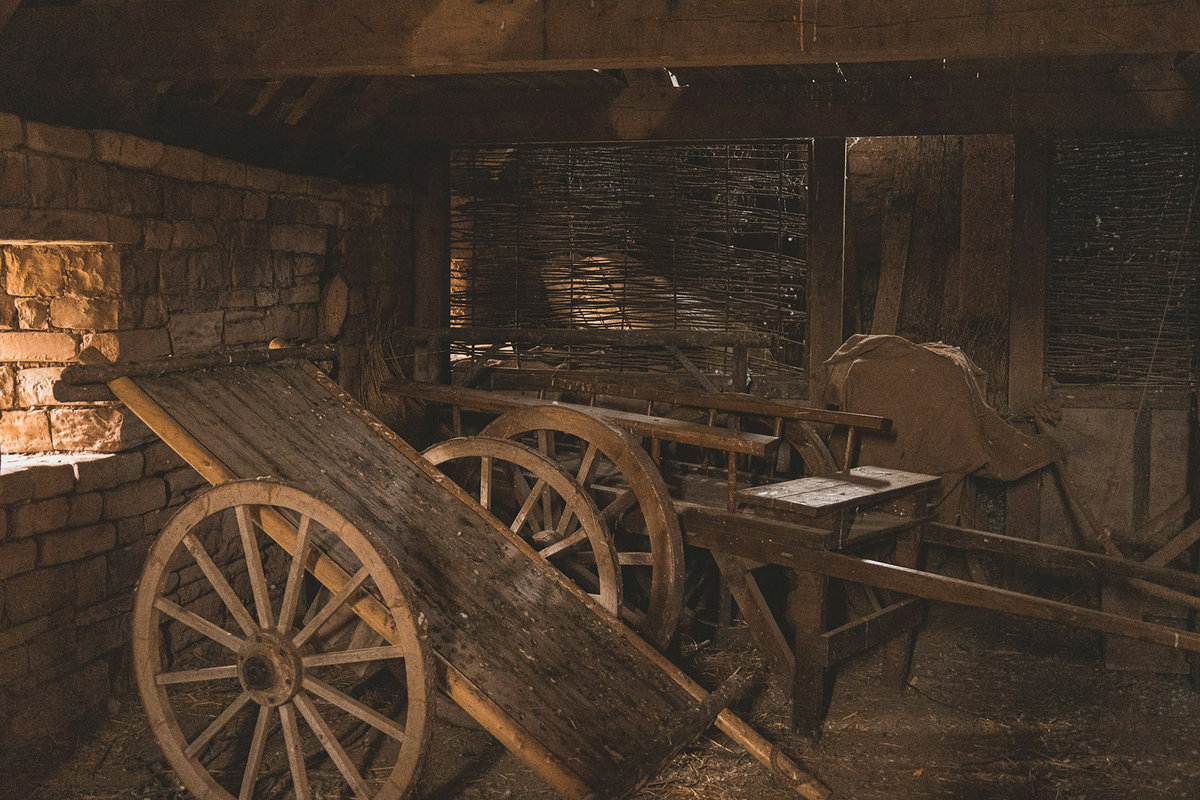
Now comes the moment when loose fibres become a thread. During spinning, the fibres are drawn out and twisted together. This twist holds them together – just like on the spinning wheel of old, only today mostly on large, modern spinning machines. The natural crimp of sheep wool helps: the fibres hook into one another easily, which makes the yarn strong and elastic at the same time.
Often two or more threads are then twisted together, or plied. This makes the yarn more even, more durable and better at holding its shape – an important quality for socks that are worn every day.
6. Dyeing: from natural white to forest green
Wool takes dye beautifully, because the fibre absorbs colour well. It can be dyed at different stages: as loose fibre, as yarn or as a finished product. Some wool products are left completely natural in the colours of the sheep themselves – from creamy white through grey to warm shades of brown.
7. Knitting, weaving or felting: the product takes shape
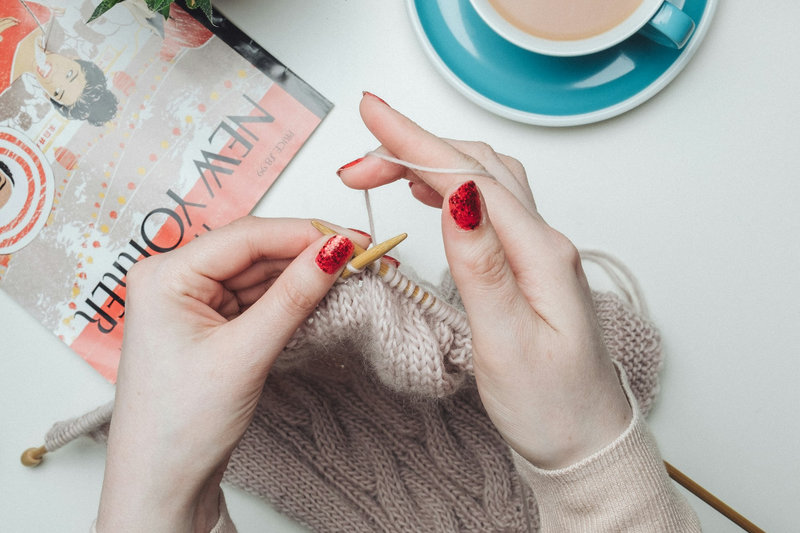
Finally, the finished yarn is turned into all kinds of products. For jumpers, hats and socks the yarn is knitted; for coats, blankets and fabrics it is woven. One special feature of sheep wool is felting: heat, moisture and friction bind the fibres together permanently – this is how slippers or felt insoles are made, for example.
With socks, the way they are knitted is particularly important. A well-thought-out weave makes sure the sock hugs the foot comfortably, doesn't pinch and fits well across different foot sizes. A fluffy inside makes them even more comfortable to wear.
8. Finishing and checking: the final touch
At the end, the wool products are washed once more, shaped and inspected. Are the seams right? Is the colour even? Does the material feel the way it should? Only then does the finished product set off on its journey to you.
What this means for your wool socks
Between shearing and your finished pair of socks lie many working steps, plenty of experience and a good deal of handwork. That is exactly what makes good wool products so valuable: they are not throwaway items but companions for many years. Once you know how much care goes into every fibre, you'll enjoy wearing your wool socks even more.
And best of all: with the right care – washed gently, not too hot and never in the tumble dryer – sheep wool socks stay soft, keep their shape and remain cosy for a long time. So the long journey from sheep to you pays off twice over.